
While Human–Machine Interfaces (HMIs) are often associated with graphical displays, keypads remain a critical HMI component in many operational environments. Modern keypad-based HMI solutions have evolved significantly and now play a direct, measurable role in improving operational efficiency, particularly where speed, reliability, and error prevention are paramount.
Faster Operator Interaction
HMI keypads provide, direct deterministic input, with each key having a fixed function with immediate feedback. This eliminates navigation time and menu depth and gains notable operational efficiency with the faster execution of tasks, especially within abnormal situations. Human factor research has demonstrated that tactile based interaction significantly reduces task completion time, therefore improving response speed and reducing hesitation during critical operations.
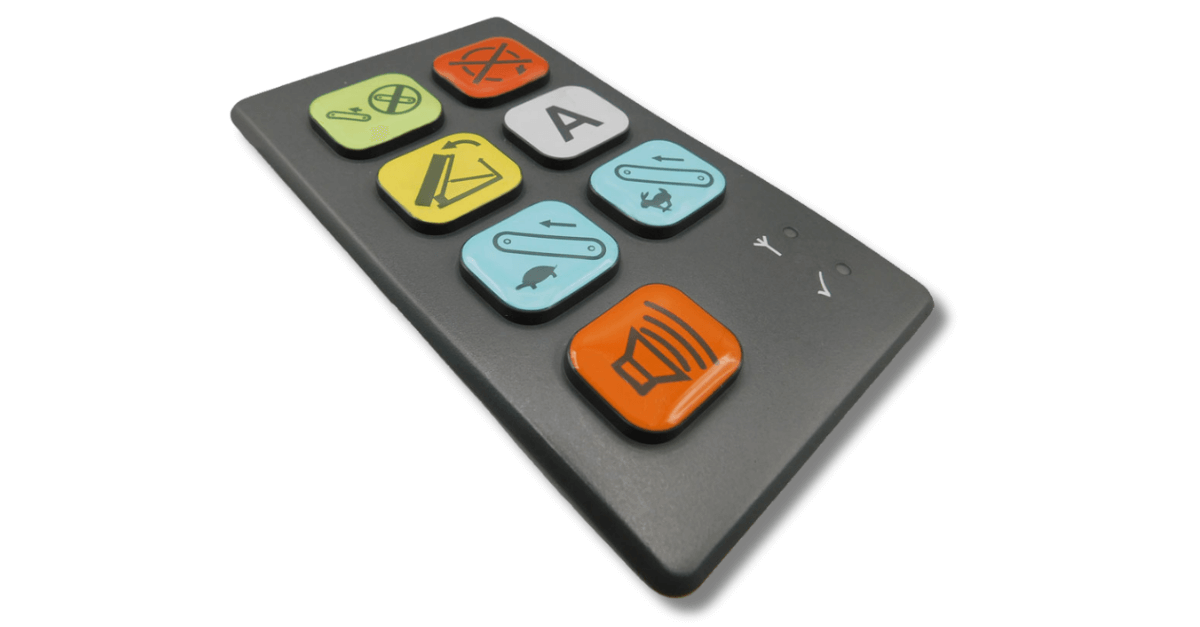
Reduced Cognitive Load and Errors
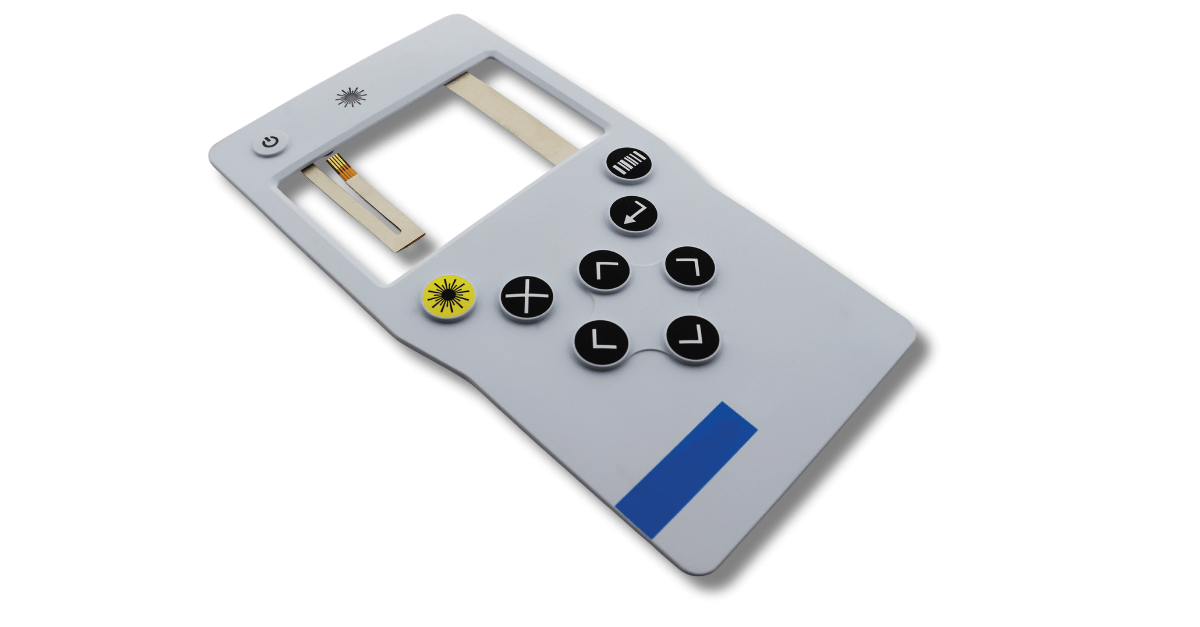
Modern industrial HMI solutions have moved away from standard layouts and are designed around task-specific layouts. Dedicated keys, colour coded buttons (and even smart backlighting), and physical separation between critical functions helps ensure operators act correctly without interpretation.
With simplified interaction pathways, operators experience lower error rates in repetitive or safety critical tasks and fewer incorrect inputs during stress or fatigue. Custom designed keypads support simplified workflow principles by removing visual clutter and limiting available actions.
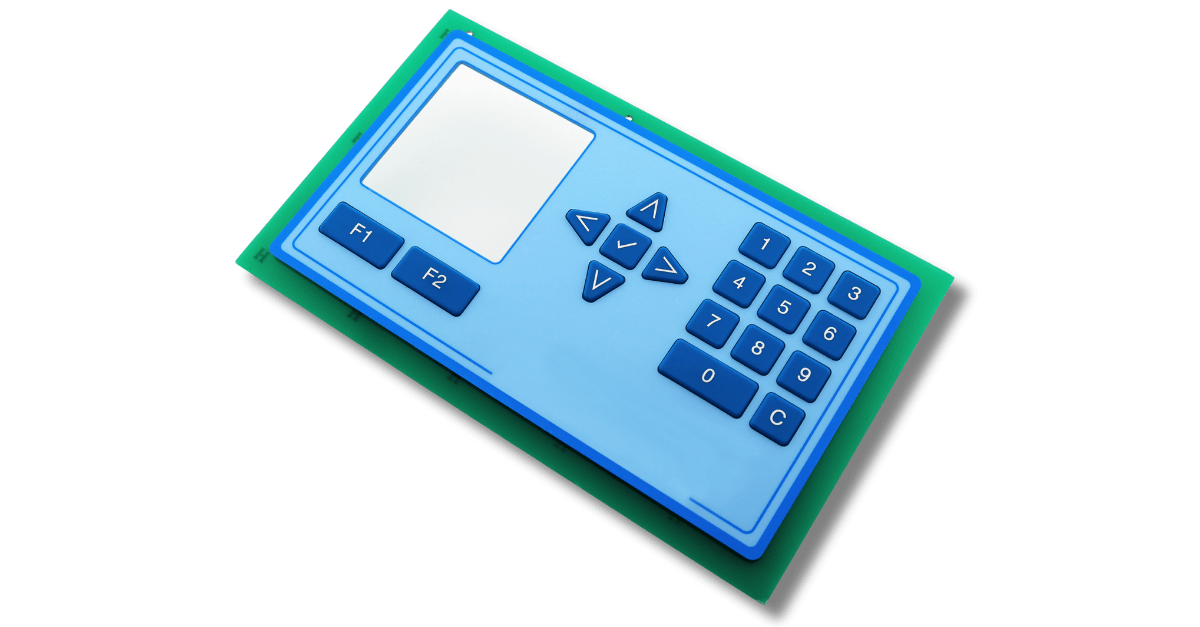
Improved performance in harsh environments
Keypads excel in harsh environments where displays often struggle:
- Dirt, Dust, Moisture, Vibration, or Gloves
- Low lighting levels or high ambient lighting which can cause glare
- Extreme temperatures
Modern HMI keypad interfaces can be fully sealed, with various technologies available to ensure high reliability and uptime. This directly supports operational continuity.
Studies into industrial automation show that input device reliability is a major contributor to unplanned downtime, especially when the process is continuous. Having a robustly designed HMI interface significantly reduces failure related interruptions, compared to displays in harsh conditions.
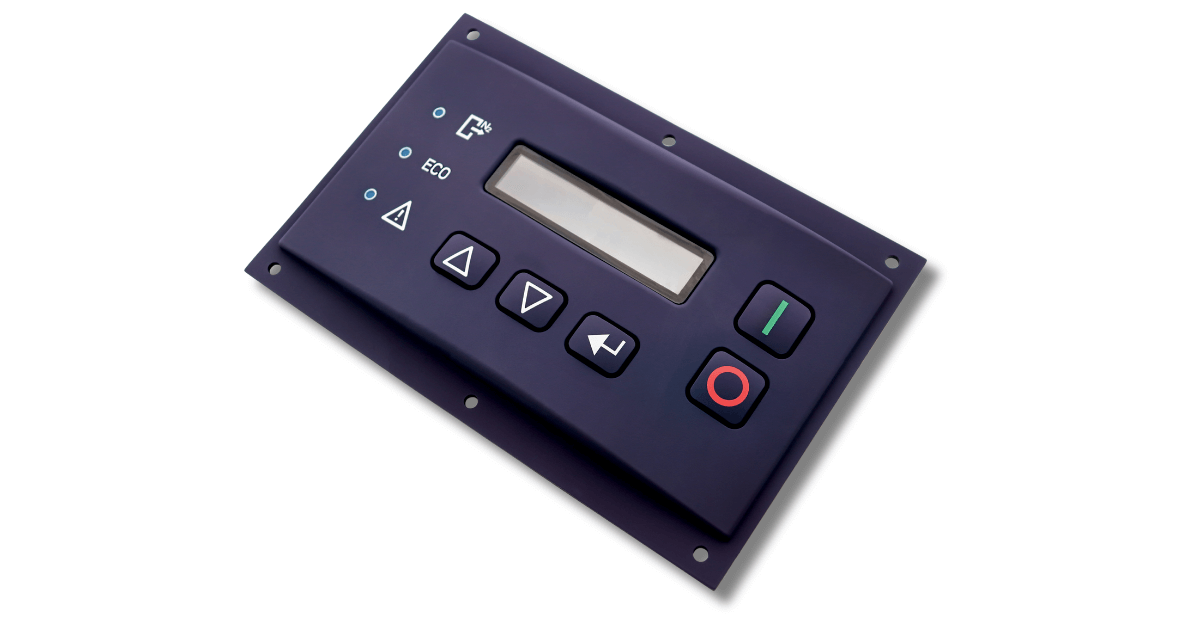
Faster Training and Skill Transfer
Keypads help to ensure standardised interactions across machinery and equipment. Reusing keypad layouts ensures that operators can transfer skills instantly, with less learning required in the onboarding process. This leads to shorter onboarding and faster cross training, with a reduction in the dependence on expert operators.
Research into operator centric HMI design shows that fixed function interfaces reduce training requirements and improve consistency of performance across shifts.
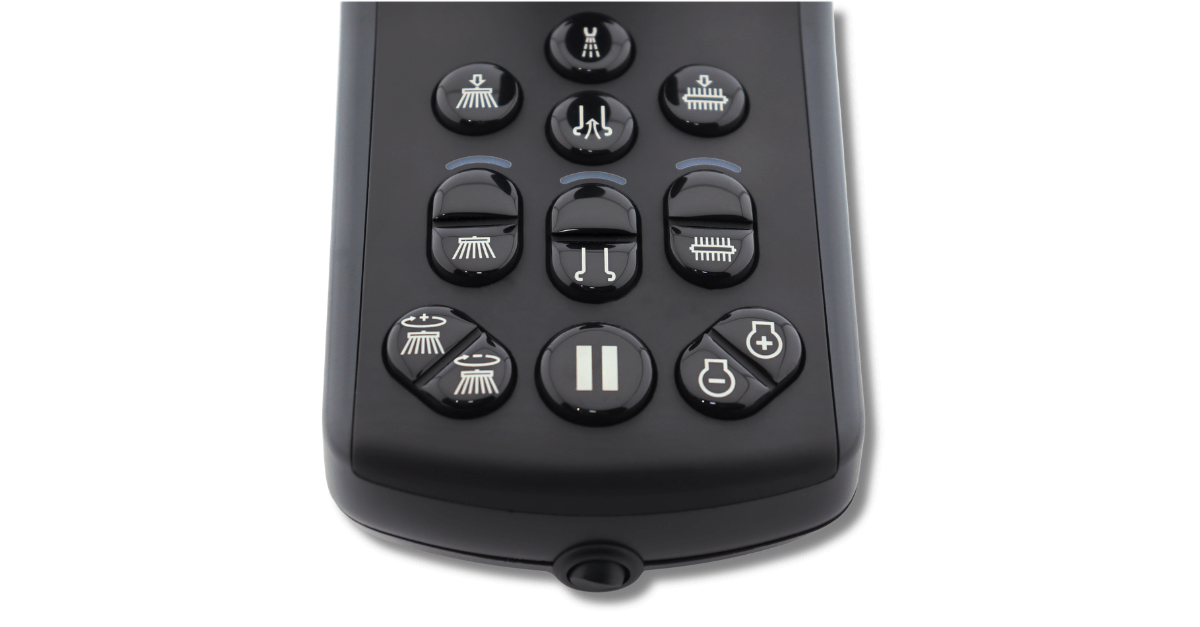
Error prevention
Modern HMI keypads can be integrated with control logic to prevent invalid actions which directly improves operational efficiency by preventing costly mistakes, reducing recovery time and supporting safe uninterrupted operations.
Modern Keypads, operational support for Industry 4.0
Industry 4.0 emphasises the importance of maintaining effective human control interfaces, even as automation and intelligence increases. Keypads function within industry 4.0 as local, control layers which complement, higher level digital systems. Enabling human centred control within advanced digital control systems. Keypads provide a reliable, low complexity interface that preserves human authority while supporting digital transformation.
Modern industrial keypads improve operational efficiency by prioritising speed, reliability, and error prevention over flexibility and visual richness. Diamond HMI are experts in supporting the design and creation of user-friendly custom HMI solutions, designed to boost operational efficiency.
Contact us today
If you’re looking to improve operational efficiency and productivity across your product line, talk to Diamond HMI. We’ll help you create an HMI solution that works more efficiently for your business and increases user satisfaction.