
With the human machine interface market a rapidly growing market, Diamond HMI looks at the trends breaking through in 2026.
Smart Backlighting
Previously primarily seen in consumer keyboards, smart backlighting is positioned to make a key contribution to the design of modern commercial HMI keypads. With the rapid adaption of AI powered HMI solutions, smart backlighting can integrate into the system using a range of sensors. The result is a smart system which can automatically adjust the brightness, colour, timeout settings and other features, dynamically based on factors like ambient light, or hand proximity.
Integrated AI systems with smart backlighting keypads are poised to improve safety and revolutionise the operations of industrial automation, while also having notable energy saving features.

Haptic Feedback
Haptic feedback is poised to be integrated into more keypads in 2026. Haptic feedback allows keypad designers to increase feedback into their HMI systems, which result in rapid, precise vibrations with immersive and responsive user interfaces, while also allowing keypads to be fully sealed against water, dust and contaminants.
This allows designers to develop systems which are responsive for the user and combined with other smart systems, such as gesture control or smart backlighting, haptics is becoming a go to tool in the user experience and system functionality, in all sectors.
Anti-microbial coatings
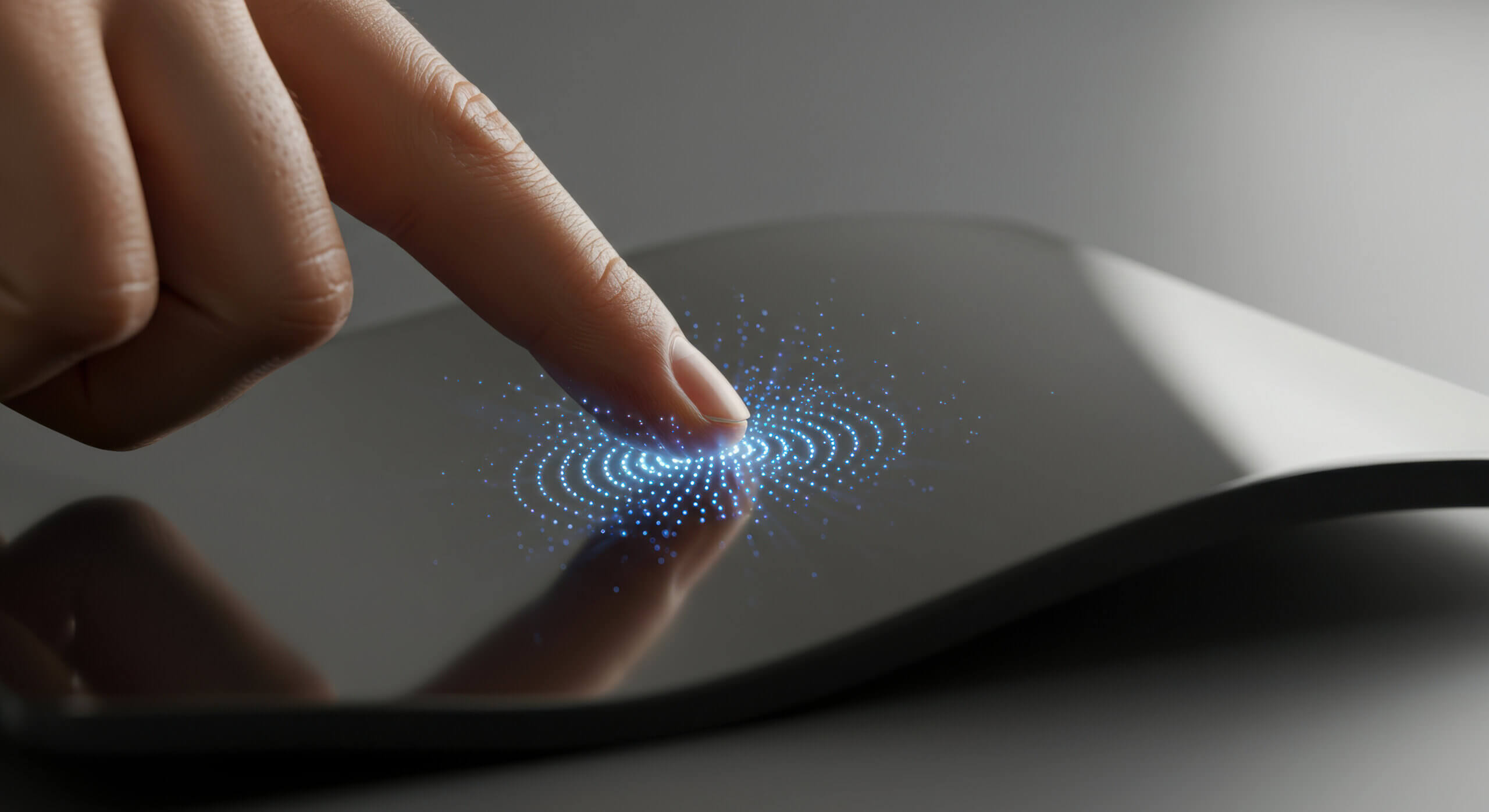
The global market for antibacterial coatings on electronic products has witnessed significant growth in recent years, driven by the COVID-19 pandemic. Coating keypads in anti-microbial coatings which can destroy bacteria has key benefits for healthcare and other high touch multiuser sectors like retail and hospitality, to prevent the spread of disease. Coupled with fully sealed and waterproofed design for easy cleaning, anti-microbial keypads have the potential to revolutionise the healthcare sector with infection control requirements.
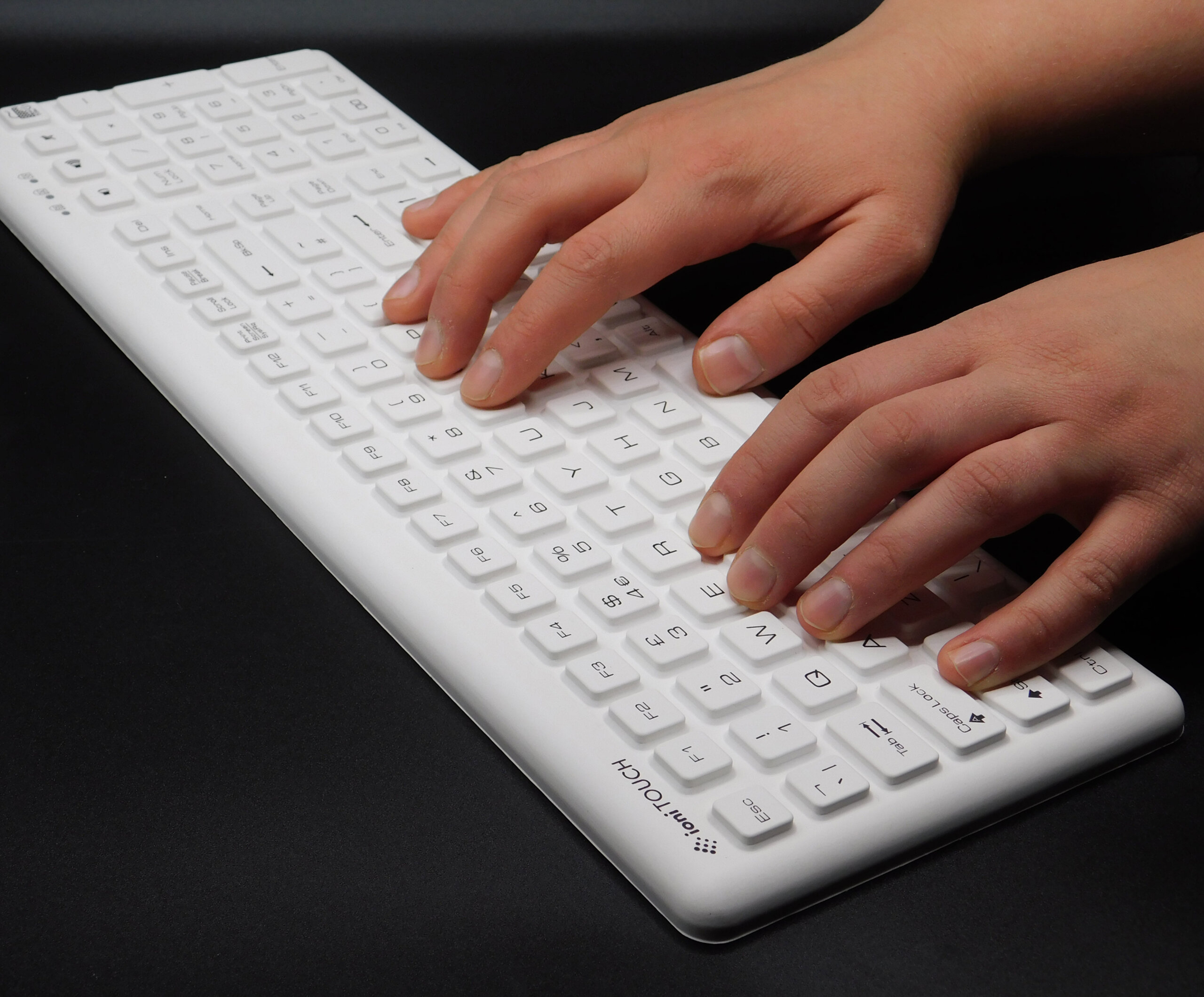
Diamond HMI can support the growing need for anti-microbial HMI technology with our ioniTOUCH keyboards, or a custom solution for a healthcare setting.
Wearable Technology
In our previous blog post “The Evolution of HMI’s in electronic products” we discussed how wearable technology was likely to play a big role in the future. Wearable technology has seen a recent explosion, with AR glasses like the Meta playing a role in increasing the popularity of wearable technology.
Wearable HMI technology can have non consumer applications, with hand gesture technology being used in devices like smart gloves, wristbands and armbands. Paired with machine learning, these devices can be used to power HMI system inputs.
While previously used primarily in healthcare, for powering prosthetic hands and for medical rehabilitation, wearable HMI also has several useful commercial applications, firstly in increasing accessibility in systems, where physical contact is not required, allowing remote operation. In addition, with a high accuracy and fast response, wearable technology ensures environmental independence, not requiring the direct line of sight traditional motion sensors require, making them more robust.
Additionally, they can increase operational safety, by allowing the control of robotic arms, within production lines, removing manual human processes by maintaining a barrier from high-risk environments. Wearable technology is therefore likely to become more widespread for industrial automation applications as we continue through 2026.

PiezoTouch Switching
While design trends are likely to affect the functionality and features of some HMI systems, PiezoTouch switching remains the go to standard for high reliability, harsh use applications. With the technology now being used in automotive, municipal and transport applications, modern piezo based solutions can far surpass the functionality of more consumer focused capacitive and force sensing based solutions.
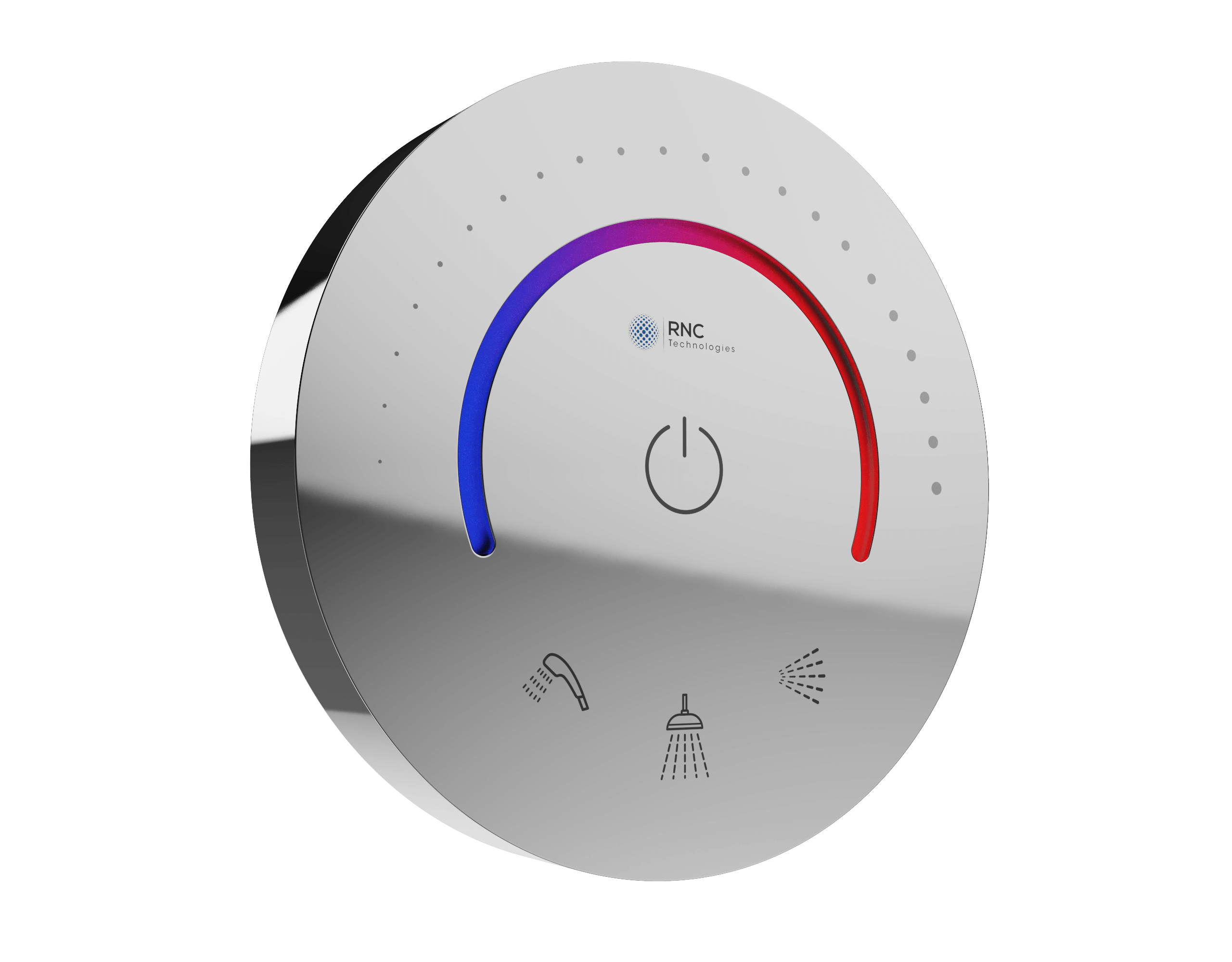
PiezoTouch technology uniquely converts physical input into electrical signals which can be combined with haptic feedback to create an ultra-reliable and high-quality interface solution on any surface material. Piezo has advantages over traditional mechanical switch-based solutions, allowing zero or ultra-low power systems to be created without moving parts and with the ability to operate with gloved and wet hands in extreme environments thanks to integral IP sealing. Combined with smart backlighting, advanced algorithmic control software to fine tune sensitivity and smart IoT Cloud systems to monitor switch status, PiezoTouch has the potential to revolutionize the HMI market in 2026.
Conclusion
2026 is set to be a thrilling year for the HMI design and development market, with notable advanced technologies becoming widely available. A focus on adaptive user feedback through the use of smart backlighting and haptics coupled with modern communication protocols providing direct connectivity to the input system, will see HMI’s getting smarter and more user aware. We are excited to be contributing to the evolution of HMI systems around the world thought 2026 and beyond.
Diamond HMI can provide you with guidance in selecting an appropriate technology for your application and budget. Contact our applications support team today to discuss your latest HMI needs.