
Blog
Keep up to date with the latest information at DiamondHMI
Top HMI Trends to Watch in 2026: From Haptic Feedback to Smart Backlighting .
"Human Machine Interfaces (HMIs) have undergone a remarkable transformation over the past century, evolving from rudimentary mechanical systems to sophisticated, AI-driven interfaces that are integral to modern electronic products. For engineers in the UK and globally, understanding this evolution is crucial for designing next-generation products that enhance user experience, improve efficiency, and ensure seamless integration with emerging technologies such as the Internet of Things (IoT), artificial intelligence (AI), and cloud computing."
Read More 
The Science of HMI Design: Building Interfaces for Maximum Usability.
"Human Machine Interfaces (HMIs) have undergone a remarkable transformation over the past century, evolving from rudimentary mechanical systems to sophisticated, AI-driven interfaces that are integral to modern electronic products. For engineers in the UK and globally, understanding this evolution is crucial for designing next-generation products that enhance user experience, improve efficiency, and ensure seamless integration with emerging technologies such as the Internet of Things (IoT), artificial intelligence (AI), and cloud computing."
Read More The Evolution of Human Machine Interfaces (HMI’s) in Electronic Products
"Human Machine Interfaces (HMIs) have undergone a remarkable transformation over the past century, evolving from rudimentary mechanical systems to sophisticated, AI-driven interfaces that are integral to modern electronic products. For engineers in the UK and globally, understanding this evolution is crucial for designing next-generation products that enhance user experience, improve efficiency, and ensure seamless integration with emerging technologies such as the Internet of Things (IoT), artificial intelligence (AI), and cloud computing."
Read More 
Diamond HMI are at SMEE 2024
An innovative provider of Human-Machine Interface (HMI) solutions, has developed a Touch control panel for Stadler's Class 777 trains in use in Liverpool. This state-of-the-art HMI solution was designed to meet the demanding requirements dictated by Stadler, and Algra worked closely with them to deliver a fully integrated solution.
Read More 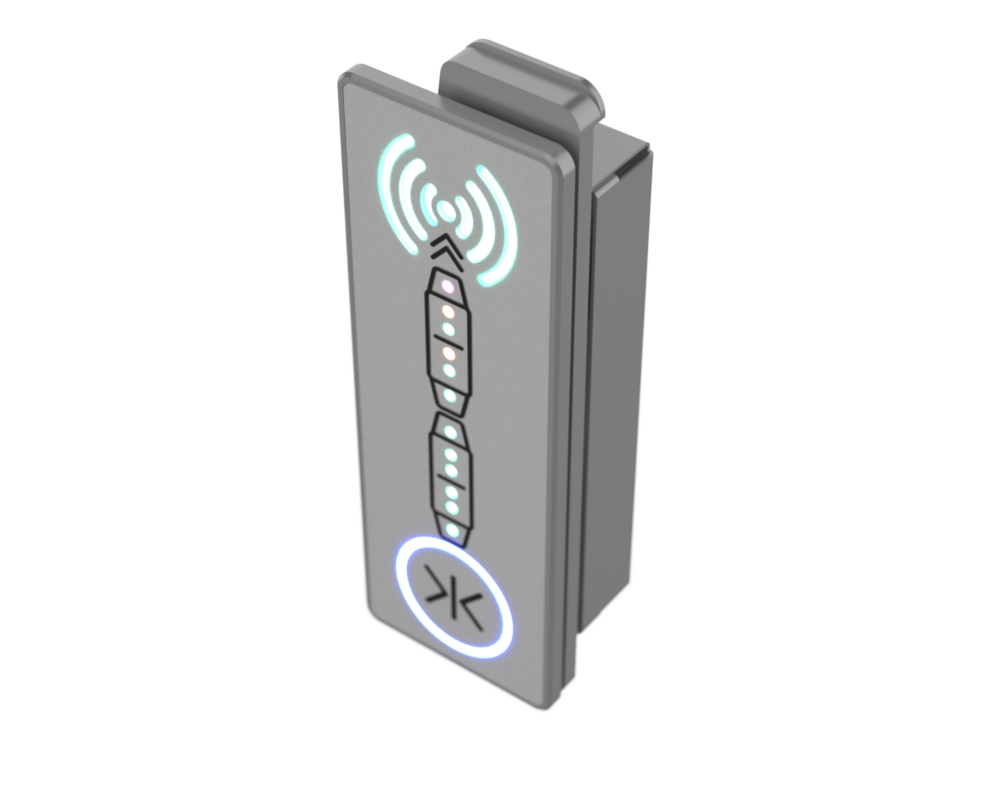
Diamond HMI highlights Algra’s Innovative Touch HMI Solution for the latest Stadler’s Class 777 Trains used by Mersey Rail.
An innovative provider of Human-Machine Interface (HMI) solutions, has developed a Touch control panel for Stadler's Class 777 trains in use in Liverpool. This state-of-the-art HMI solution was designed to meet the demanding requirements dictated by Stadler, and Algra worked closely with them to deliver a fully integrated solution.
Read More 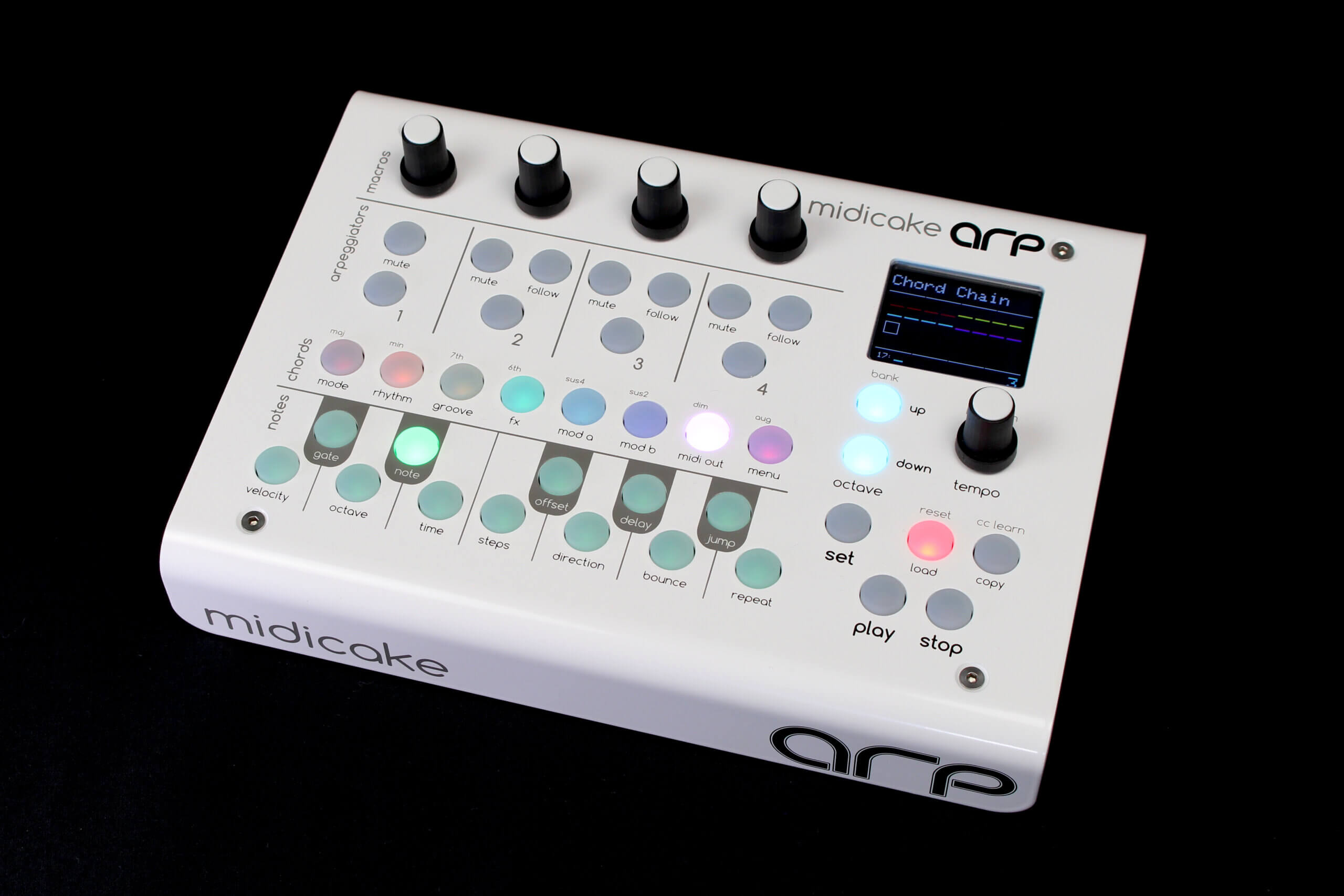
Custom silicone buttons for electronic musical instrument
Incorporating LED lights, and soft touch, silent operating buttons to an application.
Read More 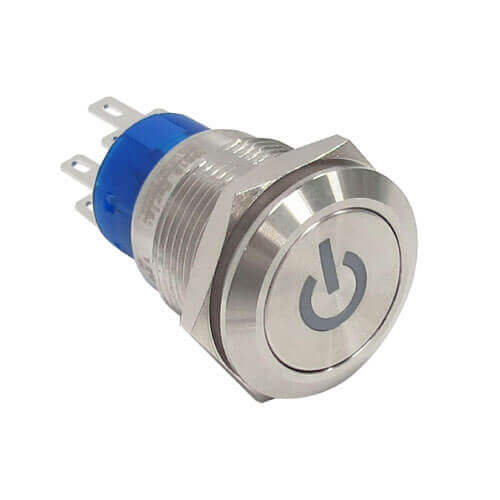
The latest anti-vandal switch technology from Diamond HMI
The latest Metal Pushbutton Switches from Dailywell are designed for harsh user environments. The range includes four bezel sizes, short travel versions, and capacitive and piezo options.
Read More 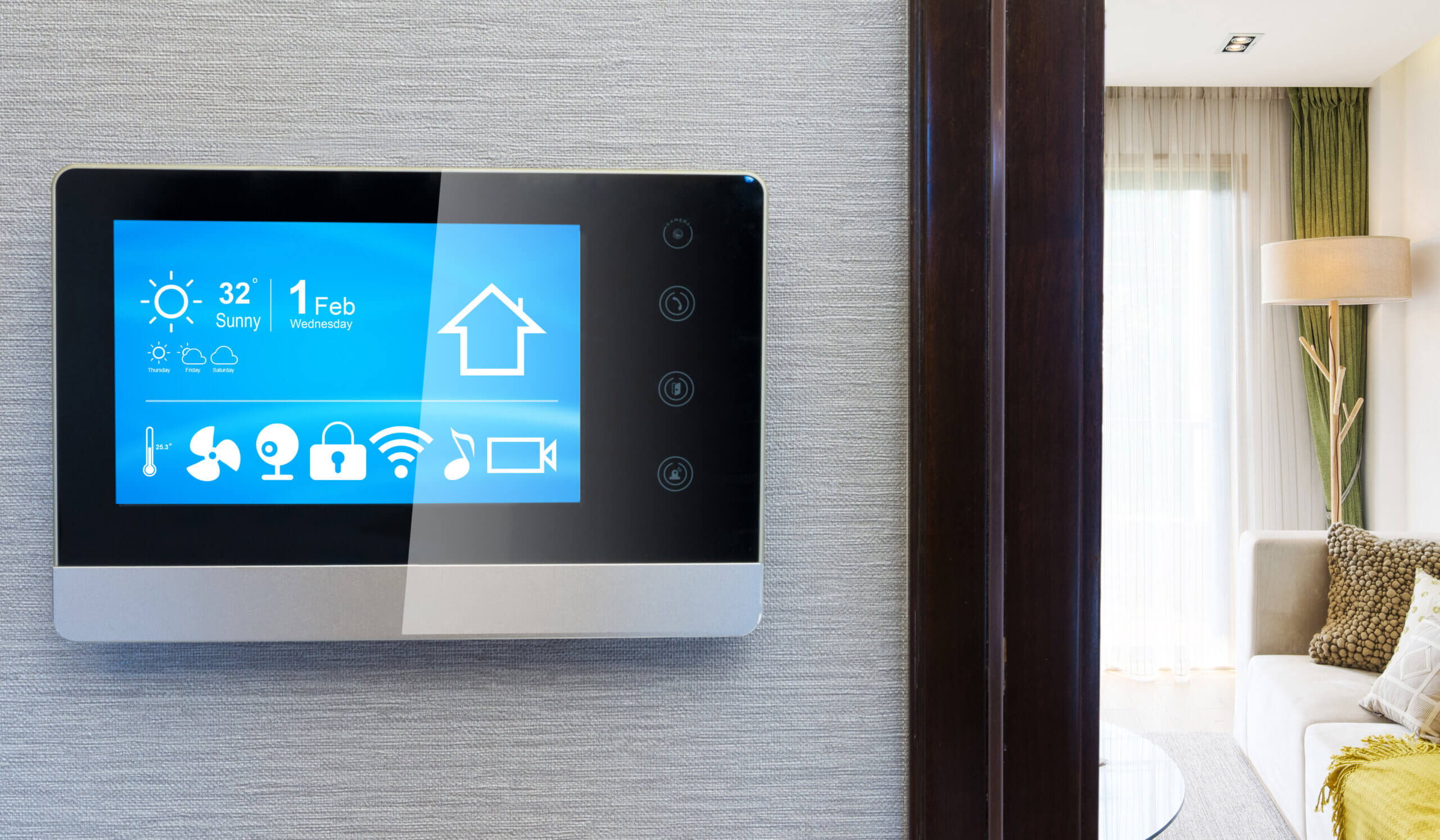
Smart technologies using touch-switching interfaces
Touch switching technologies are becoming a popular choice for designers creating sleek, seamless control panels for smart technologies.
Read More 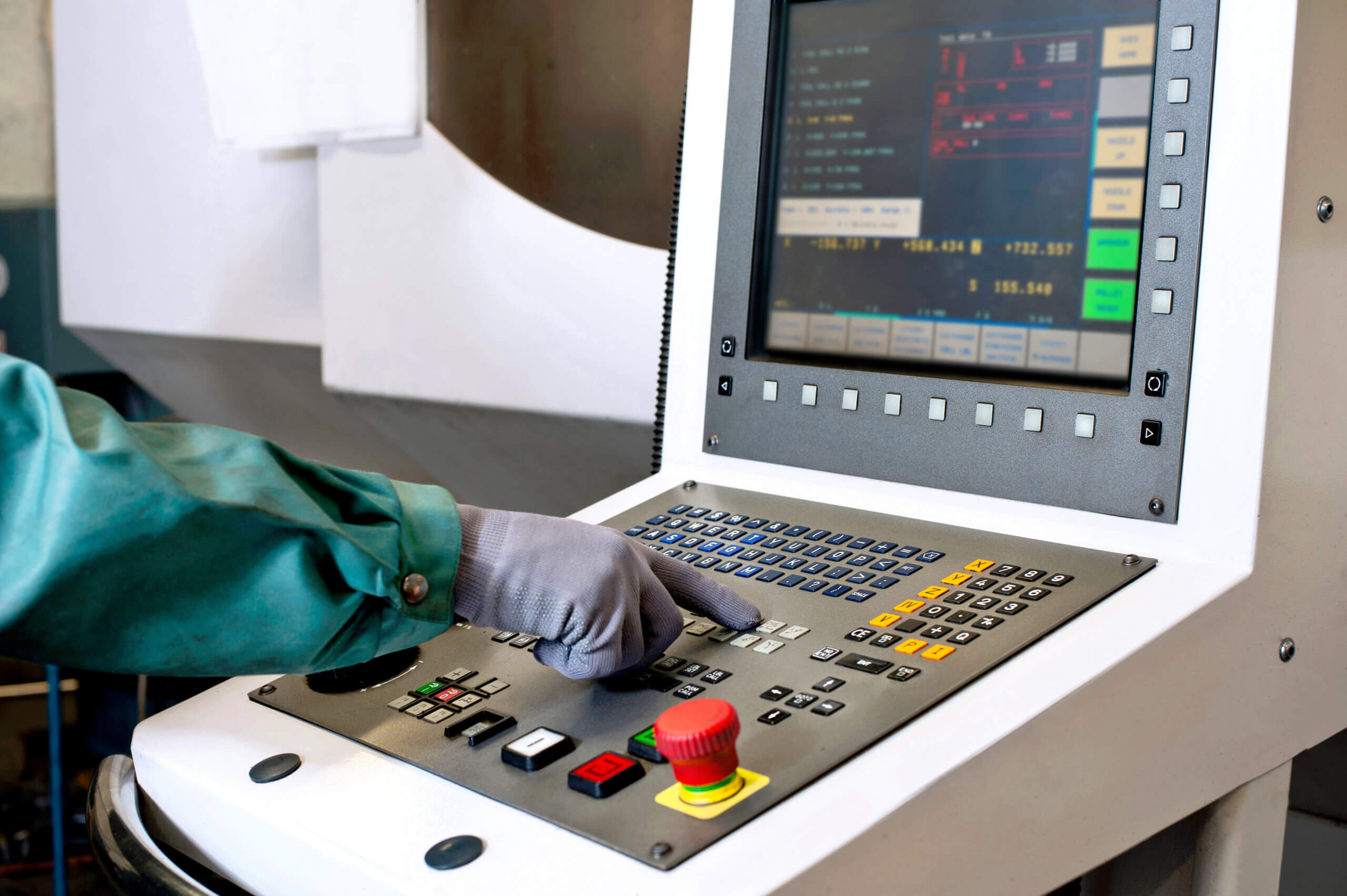
Robust Rubber Keypads for Industrial Control Panels
Using Silicone Rubber keypads offer great potential for engineers developing interfaces designed to endure challenging external conditions.
Read More 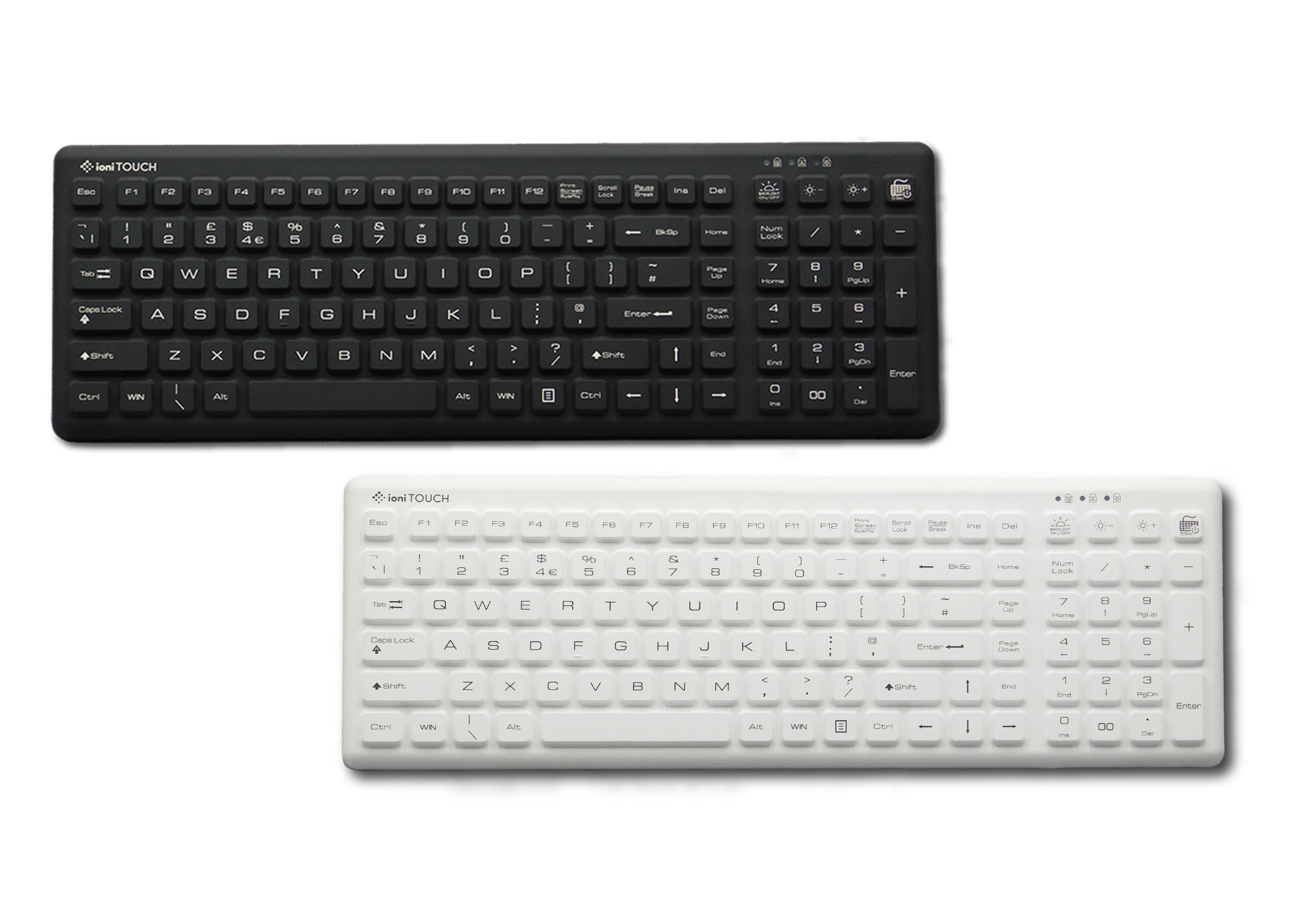
How dirty is your QWERTY?
Most people use a keyboard once during the day, with little attention on how clean the surface is. Keyboard hygiene is just as important as hand hygiene, as like our hands, keyboards can easily transfer germs. Then, why is keyboard cleaning often forgotten?
Read More 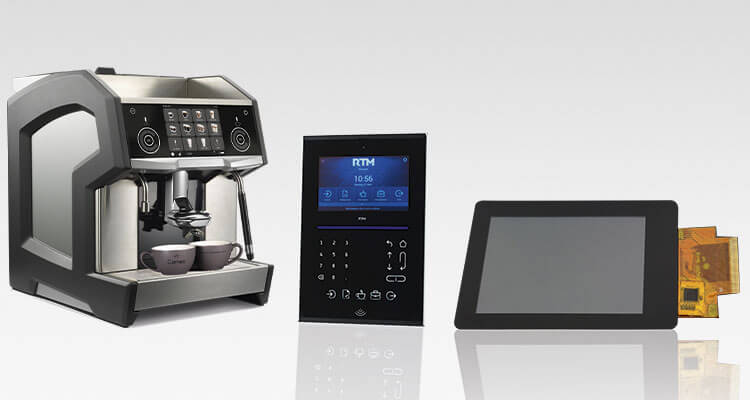
Comparing capacitive and resistive touchscreen technologies.
Whilst designing a touchscreen, you must decide what type of touch technology will be suitable for the application. When it comes to a choice between capacitive and resistive technology, both have pros and cons.
Read More 
What’s next, after touchscreens?
User interfaces for public terminals have evolved over the years moving from membrane and rubber keypads to sleek touchscreens, that use capacitive touch technology.
Read More 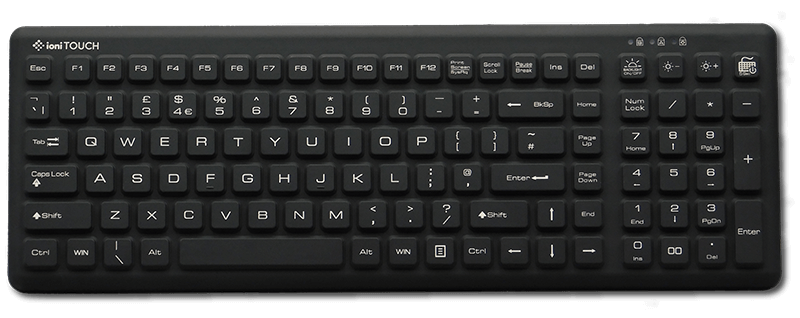
Keyboard solutions for food manufacturing
Ideal for use in food and beverage manufacturing environments, ioniTOUCH™ waterproof keyboards help users maintain cleanliness on a frequently touched surface.
Read More 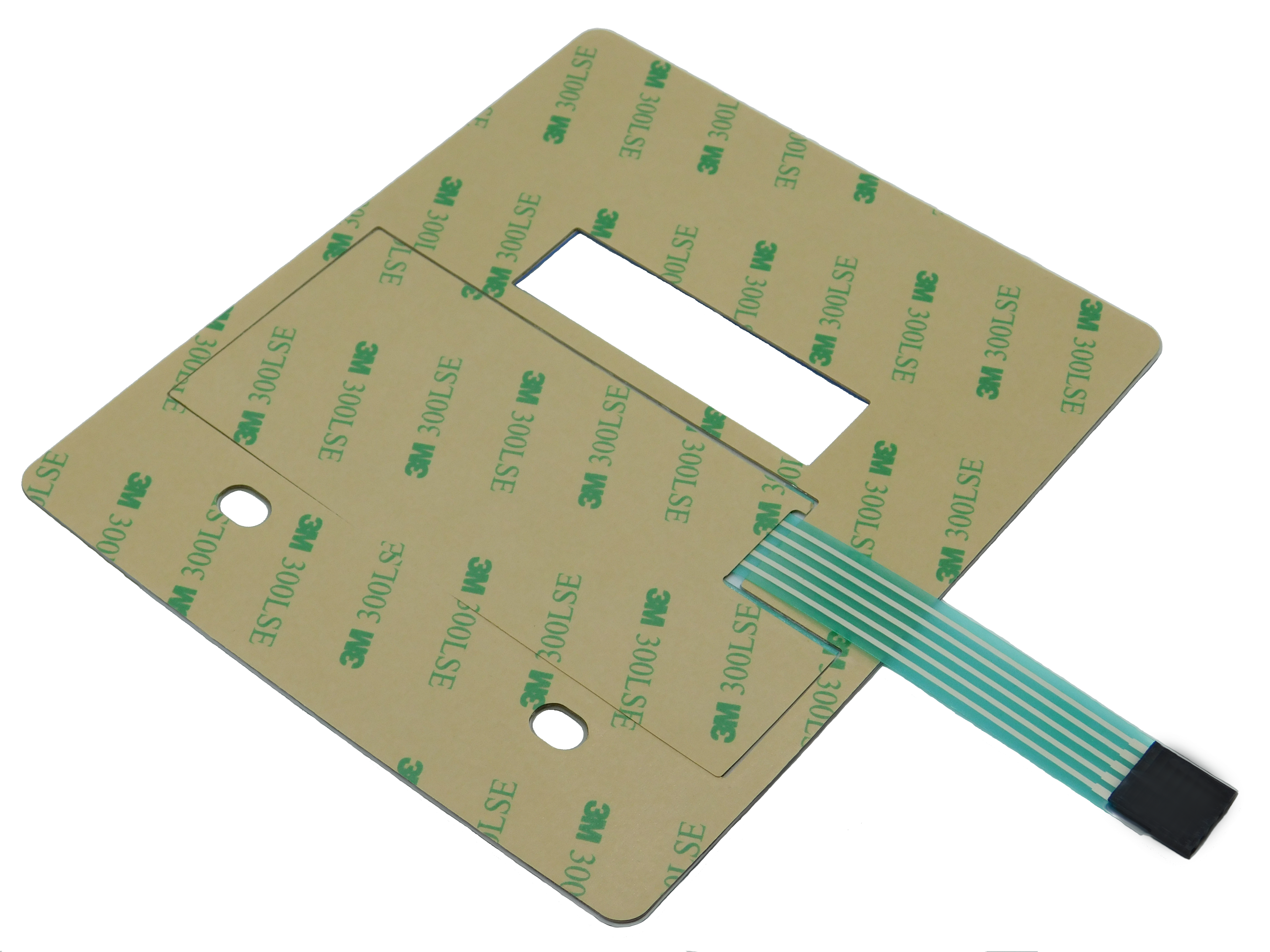
Adhesives for Membrane Switches
Membrane Switches use an adhesive layer to mount the switch panel to the application.
Read More 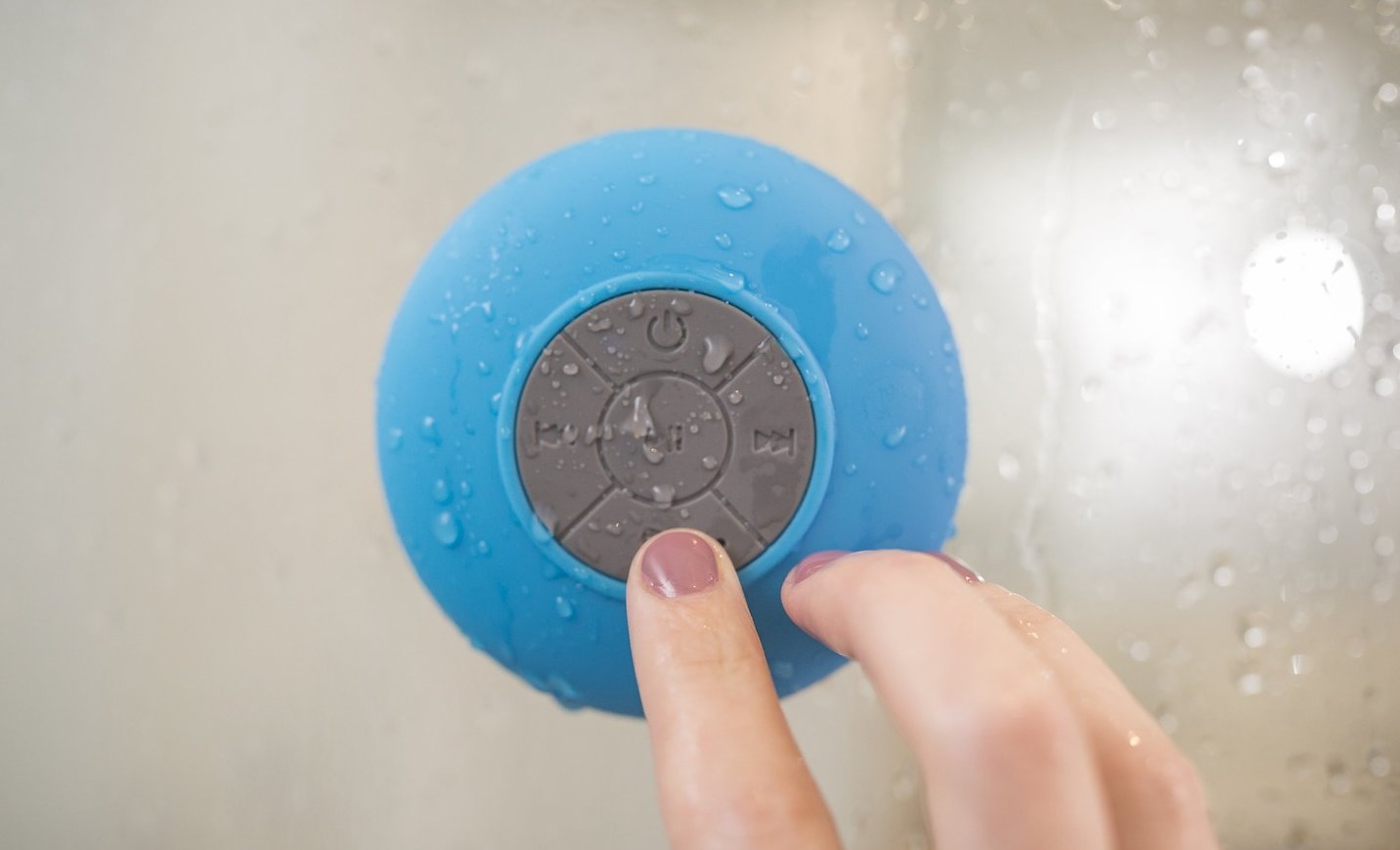
IP Ratings Explained
Ingress Protection ratings, also known as IP ratings, define the sealing effectiveness of any component or product against the ingress of foreign objects such as dust and water.
Read More 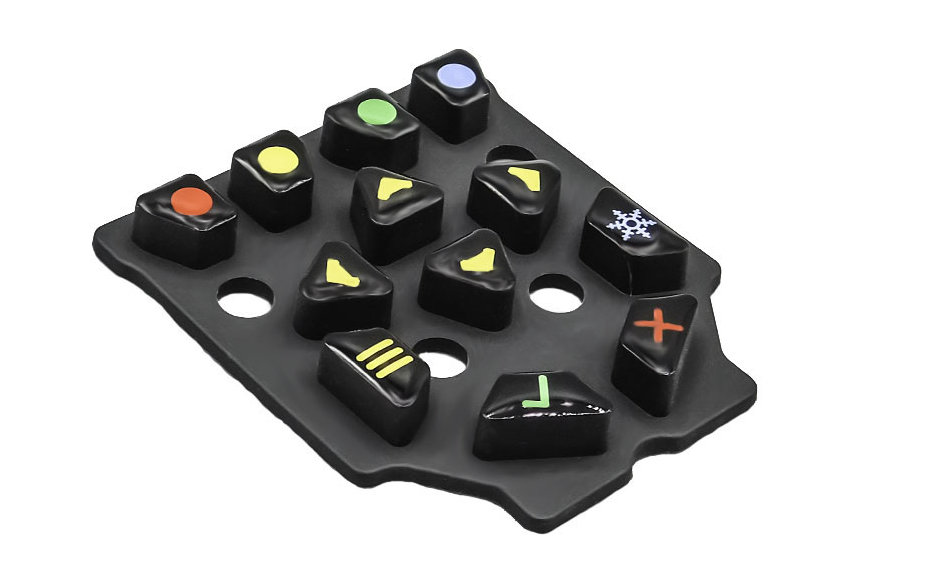
Improving key surface performance on a Silicone Rubber Keypad
A rubber keypad surface can include various finishes to help improve life performance, enhancing strength amongst other things.
Read More